
Advanced Trauma Care
Fracture Surgery and Trauma Care in Delhi NCR
Accurate fracture assessment
Stable bone fixation planning
Recovery-focused rehabilitation

Orthopaedic Surgery Recovery Story
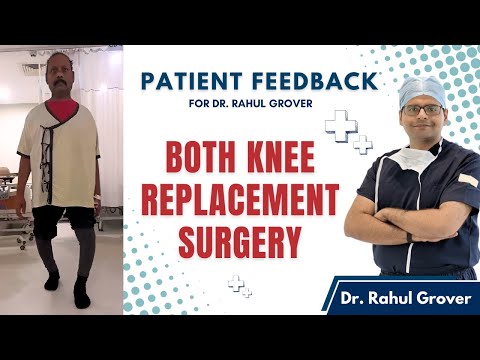
Mobility Recovery Testimonial
Treatment Choices
Fracture Treatment Options
Non-Surgical Fracture Care
Stable and well-aligned fractures may heal with plaster, splints, braces, medicines, rest, and follow-up imaging.
- Cast, splint or brace support
- Pain and swelling control
- Serial X-rays to confirm healing position
Fracture Fixation Surgery
Surgery may be needed when a fracture is displaced, unstable, near a joint, open, complex, or unlikely to heal correctly in a cast.
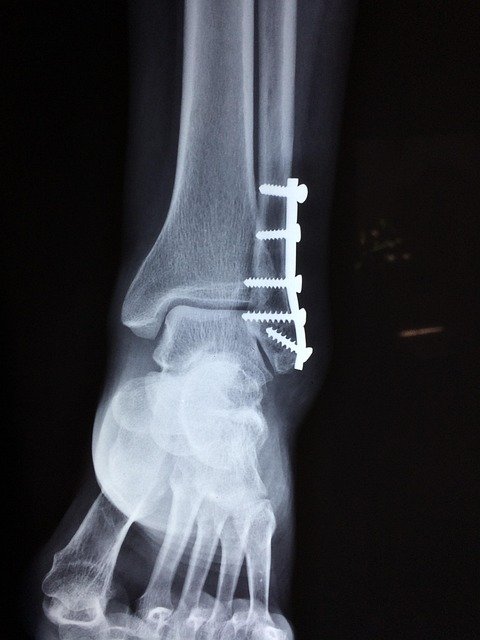
- Plate and screw fixation
- Rod or nail fixation for selected long bone fractures
- Wire, pin or external fixation when required
- Joint fracture reconstruction and early movement planning
Malunion and Delayed Healing Care
Old fractures that healed in a poor position or are not healing well may need reassessment, correction, grafting, or revision fixation.
- Malunion evaluation
- Nonunion or delayed union planning
- Bone grafting or revision fixation in selected cases
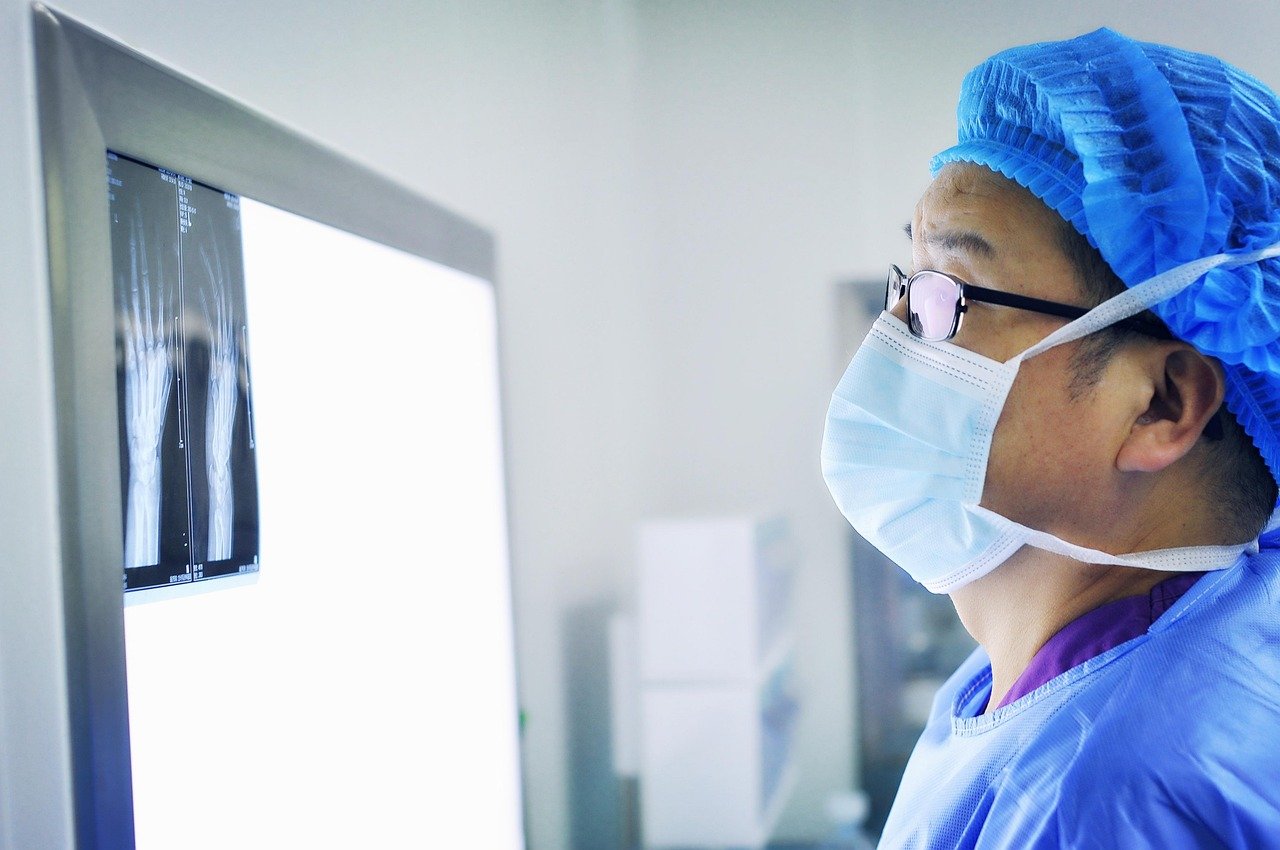

Your Fracture Surgery Specialist
Meet Dr Rahul Grover
Dr Rahul Grover is an experienced orthopaedic surgeon in Delhi with expertise in fracture surgery, complex trauma, joint injuries, sports orthopaedics, and reconstruction-focused care.
His fracture treatment approach focuses on accurate alignment, stable fixation, soft tissue care, pain control, and guided rehabilitation so patients can regain safe movement and daily function.
Have a fracture X-ray?
Share your X-ray or CT report for an expert opinion on fracture alignment and treatment options.
Send Report
Understand Treatment
What is Fracture Surgery?
Fracture surgery is performed to realign and stabilize a broken bone when the fracture cannot be treated reliably with plaster or splint support alone. The aim is to restore bone position, protect nearby joints, and support healing.
Depending on the injury, surgery may use plates, screws, rods, wires, pins, bone grafting, or external fixation. The exact method depends on the bone involved, fracture pattern, soft tissue condition, and patient needs.
X-ray or CT-based fracture planning
Fixation selected according to fracture type
Recovery plan focused on safe movement
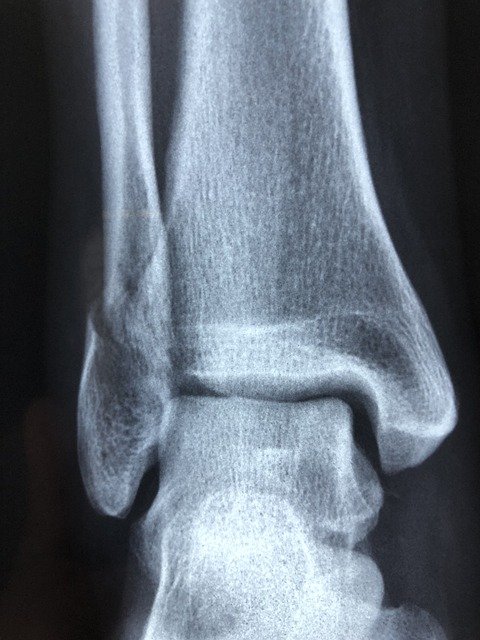
Displaced fractures may need surgical alignment
Joint fractures need precise reconstruction
Open fractures need urgent specialist care
Follow-up confirms bone healing and implant position
When To Consult
Signs You Need Urgent Fracture Evaluation
Early orthopaedic assessment helps prevent poor alignment, stiffness, delayed healing, and long-term movement problems.
Visible deformity
A bent limb, abnormal shape, or shifted bone needs urgent assessment.
Severe swelling and pain
Swelling, bruising, and pain after injury may indicate fracture or soft tissue damage.
Unable to bear weight
Difficulty standing, walking, or using the injured limb should not be ignored.
Open wound with injury
An open fracture or wound near a fracture needs urgent care to reduce infection risk.
Displaced X-ray finding
If X-ray shows displacement, shortening, angulation, or joint involvement, surgical opinion may be needed.
Old fracture pain
Persistent pain, deformity, or poor movement after an old fracture needs reassessment.
Treatment Decision
When is Fracture Surgery Recommended?
Not every fracture needs surgery. Treatment depends on fracture location, displacement, stability, joint involvement, swelling, skin condition, patient age, medical fitness, and activity needs.
Surgery may be recommended when the bone is not aligned, the fracture is unstable, a joint surface is involved, the fracture is open, or early stable movement is important for recovery.
The broken bone is displaced or shortened
The fracture is unstable or cannot stay in plaster
The fracture extends into a joint surface
There is an open wound, multiple fragments, or complex trauma
Surgical Planning
Modern Fracture Fixation
Fracture fixation is planned to restore alignment and stability while protecting blood supply, soft tissues, and nearby joints. Implants are selected according to the fracture type and the mechanical support needed for healing.
After fixation, recovery includes wound care, swelling control, guided exercises, and gradual return to activity based on X-ray healing.
Plate and screw fixation for selected fractures
Intramedullary nail or rod fixation for long bones
Joint surface reconstruction where needed
Bone grafting or revision fixation for selected old fractures
See The Difference
Expert Fracture Care vs Delayed Care
| Factor | Expert Fracture Care | Delayed Care |
|---|---|---|
| Alignment | Bone position is assessed and corrected when needed | Malunion risk may increase |
| Stability | Fixation supports healing in unstable fractures | Fracture may shift or heal slowly |
| Joint movement | Joint fractures are planned to protect motion | Stiffness can become harder to treat |
| Healing tracking | Follow-up X-rays monitor progress | Delayed union may be missed |
| Recovery | Rehabilitation is staged around healing | Function may remain restricted |
Take The Next Step
Get Your Fracture X-Ray Reviewed
Share your X-ray or CT report for expert guidance on plaster, surgery, fixation, or follow-up care.
Recovery Support
Recovery After Fracture Surgery
Fracture recovery depends on the bone involved, fixation strength, swelling, soft tissue injury, age, and healing response. A structured plan helps restore movement, strength, and confidence while protecting the healing bone.
Dr Rahul Grover guides patients through staged activity, physiotherapy, follow-up imaging, and return-to-work or sports planning based on healing progress.
Week 1-2
Pain control, swelling reduction, wound care and protected movement.
Healing Phase
Follow-up X-rays, cast or brace care, and gradual exercises as advised.
Strength Phase
Physiotherapy for movement, muscle strength, balance and function.
Return Phase
Return to walking, work, driving, sports or lifting after assessment.
Expert Trauma Care
Why Choose Dr Rahul Grover for Fracture Surgery?
Experienced orthopaedic trauma surgeon
Focused care for displaced fractures, unstable injuries, complex trauma, and joint fractures.
Imaging-based planning
X-rays and CT scans are reviewed carefully before choosing plaster, fixation, or revision care.
Modern fixation options
Plates, screws, rods, wires, pins or external fixation are selected according to fracture needs.
Function-focused care
Treatment is planned to restore alignment, movement, strength and daily activity safely.
Guided rehabilitation
Step-by-step recovery guidance supports bone healing and reduces stiffness.
Care for old fracture problems
Malunion, delayed union, nonunion and painful old injuries can be evaluated for correction.
Questions Answered
Fracture Surgery FAQs
No. Stable and well-aligned fractures can often heal with cast, splint, brace, rest, and follow-up. Surgery is considered for displaced, unstable, open, complex, or joint-involving fractures.
Depending on the fracture, treatment may use plates, screws, nails, rods, wires, pins, external fixation, or bone grafting.
Healing time depends on the bone, fracture pattern, age, medical condition, fixation, and rehabilitation. Follow-up X-rays help track progress.
Some old fracture problems such as malunion, nonunion, delayed healing, deformity, or painful implants can be evaluated for correction or revision treatment.
Expert Opinion
Need Care for a Broken Bone?
Book a consultation with Dr Rahul Grover for fracture diagnosis, stabilization, and recovery guidance.