
Advanced Spine Care
Spine Surgery and Spine Care in Delhi NCR
Relief from nerve compression symptoms
Care for slip disc, sciatica and stenosis
Recovery-focused spine treatment plan

Mobility Recovery Testimonial
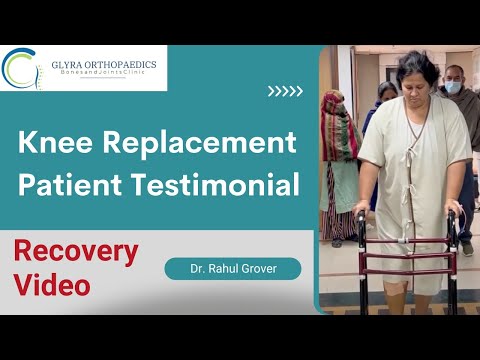
Knee Replacement Testimonial
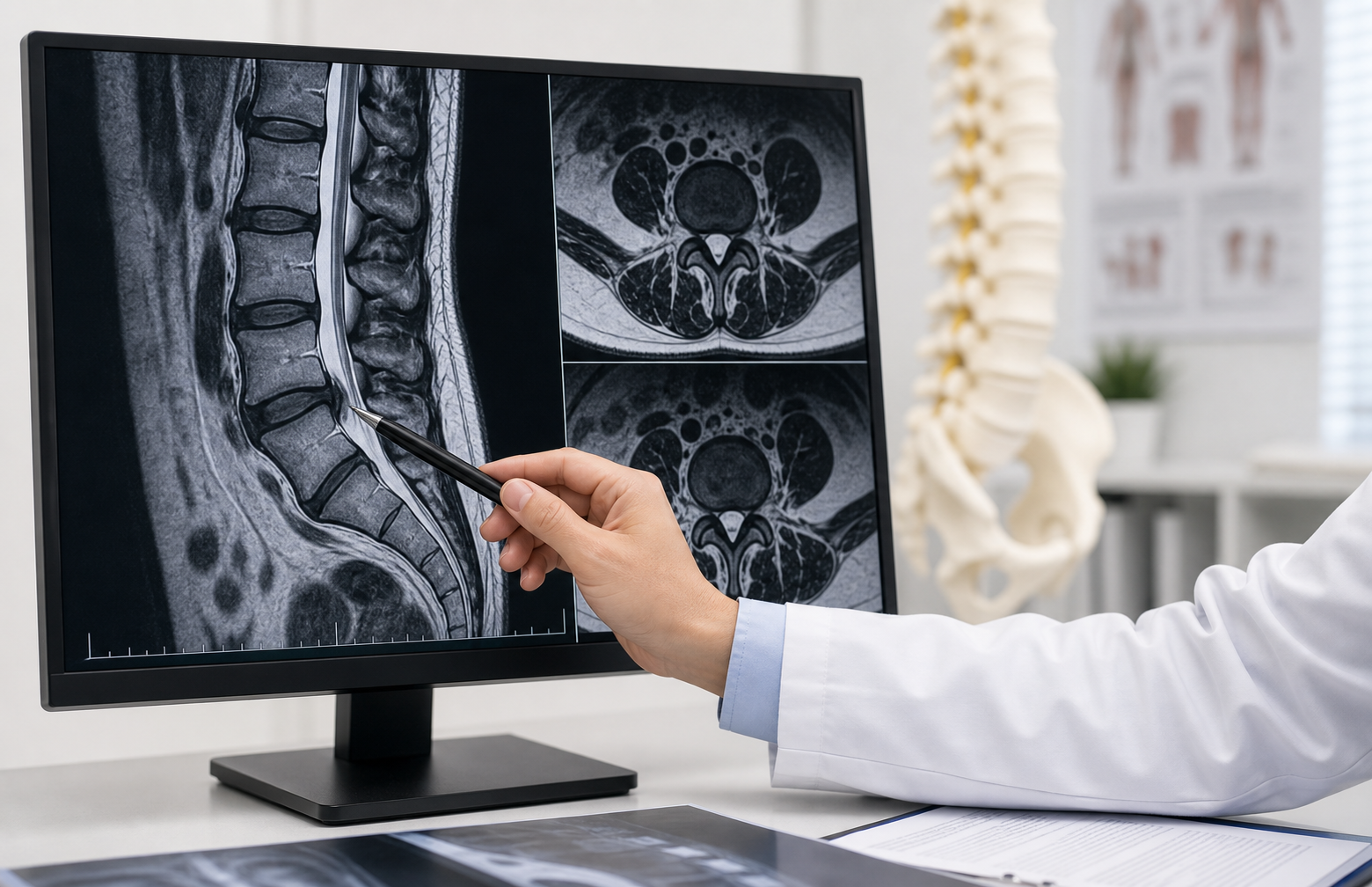
Conservative Spine Care
Non-Surgical Spine Care
Many spine problems improve without surgery through medicines, physiotherapy, posture correction, activity modification, braces, and guided exercises.
Pain control and nerve symptom management
Physiotherapy and core strengthening
Lifestyle, posture and ergonomic guidance

Your Spine Care Specialist
Meet Dr Rahul Grover
Dr Rahul Grover is an experienced orthopaedic surgeon in Delhi with expertise in spine conditions, fracture management, joint replacement, sports orthopaedics, and recovery-focused surgical care.
His spine treatment approach focuses on accurate diagnosis, careful MRI correlation, non-surgical care whenever suitable, and surgery only when symptoms, scans, and functional limitation clearly indicate the need.
Need spine MRI advice?
Share your MRI or X-ray report for an expert opinion on back pain, neck pain, sciatica, numbness, or weakness.
Send Report
Understand Treatment
What is Spine Surgery?
Spine surgery is a treatment option for selected spine conditions where pressure on nerves, disc damage, spinal canal narrowing, instability, or deformity causes significant pain or neurological symptoms.
The goal may be to relieve nerve pressure, stabilize the spine, improve walking capacity, reduce arm or leg pain, and prevent worsening weakness when conservative treatment is not enough.
Targets nerve compression causing pain or weakness
MRI findings are matched with clinical symptoms
Planned around mobility, safety and daily function
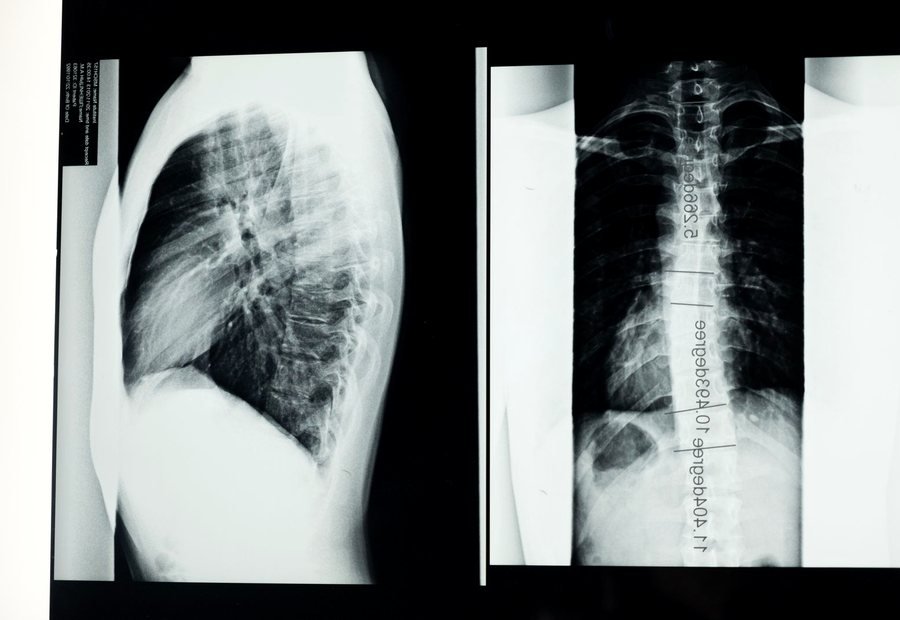
Slip disc may need surgery if nerve symptoms persist
Canal stenosis can reduce walking capacity
Weakness or bladder symptoms need urgent review
Rehab and lifestyle guidance support long-term recovery
When To Consult
Signs You May Need Spine Evaluation
Back or neck pain with nerve symptoms should be evaluated early, especially if weakness, numbness, or walking difficulty is present.
Leg or arm radiating pain
Pain travelling from the back to leg or neck to arm can suggest nerve compression.
Numbness or tingling
Nerve pressure can cause pins-and-needles, reduced sensation, or burning pain.
Walking difficulty
Spinal canal narrowing can cause leg heaviness, weakness, or reduced walking distance.
Weakness
Weak grip, foot drop, leg weakness, or repeated falls need urgent specialist review.
Pain despite treatment
Persistent symptoms despite medicines and physiotherapy may need MRI-based evaluation.
Bladder or bowel changes
Loss of bladder or bowel control with spine pain is an emergency and needs immediate care.
Treatment Decision
When is Spine Surgery Recommended?
Spine surgery is not the first option for most back or neck pain. It may be recommended when symptoms persist despite proper conservative care, MRI shows clear nerve compression, or neurological signs such as weakness are present.
The decision depends on pain severity, nerve symptoms, weakness, walking limitation, MRI findings, spinal stability, age, medical fitness, and daily activity needs.
Nerve compression causes persistent arm or leg pain
Weakness, numbness, or neurological deficit is worsening
Walking capacity is reduced by spinal canal narrowing
Medicines, rest and physiotherapy are no longer helping
Surgical Planning
Common Spine Surgery Approaches
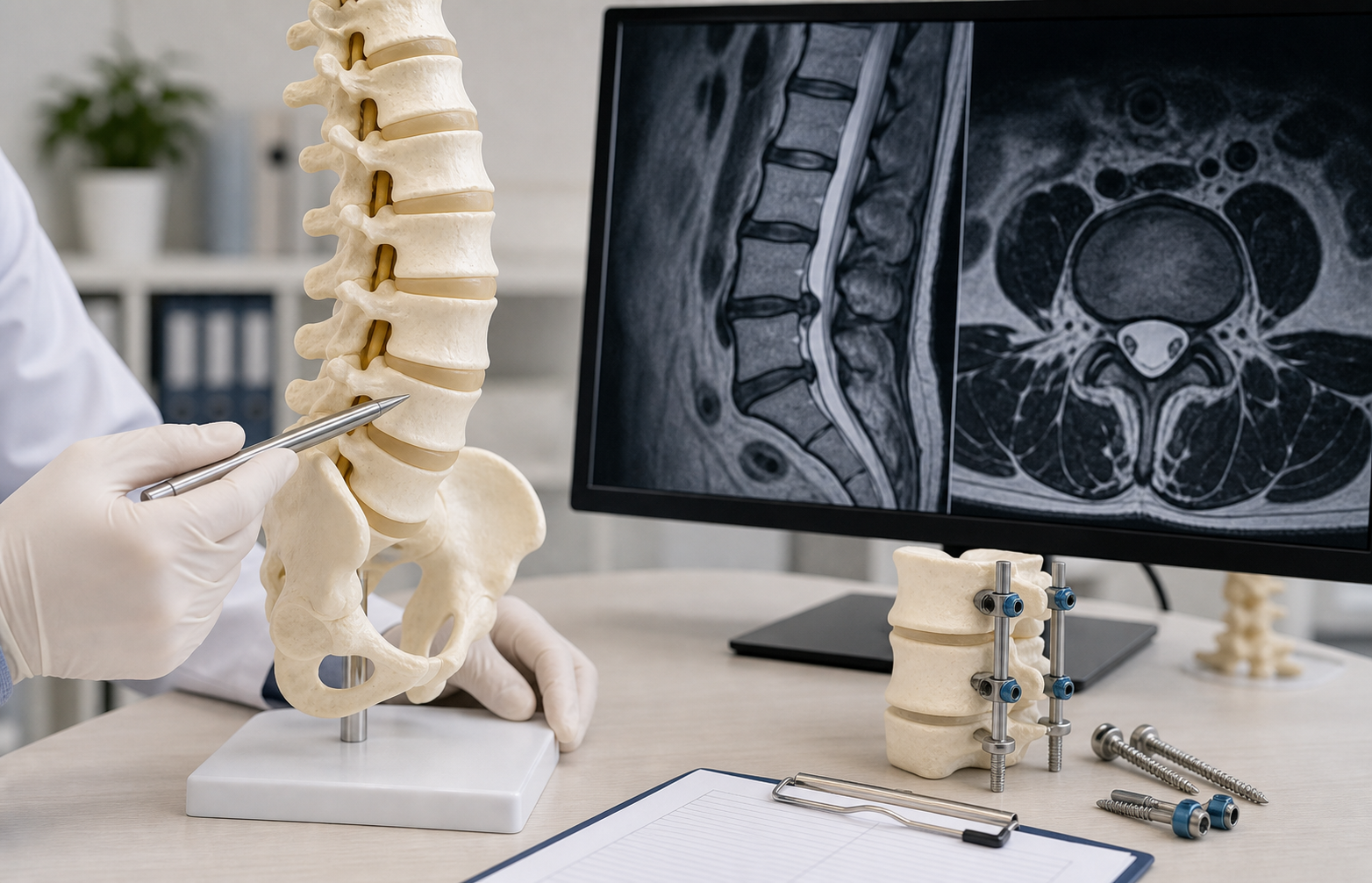
Spine surgery is selected according to the exact diagnosis. Disc surgery may remove pressure from a pinched nerve, decompression may create space in a narrowed canal, and fusion or stabilization may be needed when instability is present.
Careful planning, nerve protection, pain control, early mobilization, and rehabilitation are important for safe recovery.
Microdiscectomy or disc surgery for selected slip disc cases
Decompression for spinal stenosis and nerve pressure
Fusion or stabilization when the spine is unstable
Rehabilitation for posture, walking and strength
See The Difference
Specialist Spine Care vs Delayed Care
| Factor | Specialist Spine Care | Delayed Care |
|---|---|---|
| Diagnosis | Symptoms are matched with MRI findings | Pain source may remain unclear |
| Nerve symptoms | Nerve compression is assessed early | Weakness or numbness may progress |
| Walking ability | Treatment is planned to improve mobility | Walking distance may keep reducing |
| Treatment plan | Non-surgical and surgical options are compared | Repeated temporary care may delay recovery |
| Recovery | Rehab supports posture, strength and activity | Function may remain restricted |
Take The Next Step
Start Your Spine Recovery Journey
Get an expert opinion for slip disc, sciatica, back pain, neck pain, weakness, numbness, or walking difficulty.
Recovery Support
Rehabilitation After Spine Surgery
Rehabilitation helps patients regain safe movement, posture control, core strength, walking confidence, and daily activity after spine surgery. Recovery is staged according to the procedure and healing progress.
Dr Rahul Grover guides patients through activity precautions, walking progression, physiotherapy, follow-up visits, and gradual return to work or routine activity.
Early Phase
Pain control, wound care, walking guidance and basic precautions.
Mobility Phase
Gradual walking, posture correction and gentle spine-safe movement.
Strength Phase
Core strengthening, flexibility and functional training as advised.
Return Phase
Return to work, driving, exercise or activity after clinical assessment.
Expert Spine Care
Why Choose Dr Rahul Grover for Spine Treatment?
Experienced orthopaedic surgeon
Focused care for spine pain, nerve compression, fractures, and mobility-limiting symptoms.
MRI-based planning
Symptoms and scan findings are reviewed together before deciding treatment.
Non-surgical first approach
Medicines, physiotherapy and lifestyle care are considered whenever suitable.
Nerve symptom focus
Treatment is planned around pain, numbness, weakness and walking limitation.
Mobility-centered recovery
Rehabilitation supports walking, posture, strength and daily function.
Clear patient guidance
Patients receive practical advice on reports, treatment options, risks and recovery timelines.
Questions Answered
Spine Surgery FAQs
No. Many slip disc cases improve with medicines, rest, physiotherapy and time. Surgery is considered when nerve pain, weakness, numbness or functional limitation persists or worsens.
Urgent care is needed if back or neck pain is associated with worsening weakness, foot drop, loss of bladder or bowel control, fever, trauma, or rapidly increasing numbness.
Share MRI, X-ray, CT scan if available, previous prescriptions, nerve test reports if done, and a clear history of pain, numbness, weakness or walking difficulty.
Recovery depends on the procedure, diagnosis, nerve condition, age, fitness and rehabilitation. Walking usually starts early, while full recovery progresses over weeks to months.
Expert Opinion
Living With Back Pain or Nerve Symptoms?
Book a consultation with Dr Rahul Grover for spine diagnosis and a suitable treatment plan.